California law puts your driving record, your annual mileage and your years of experience ahead of everything else — and then the vehicle itself does the rest of the arguing. Here is what each factor does to your price, and why your own number can only come from a quote.
Most insurance advice online warns that a gap in coverage follows you for years. That is written for other states. California says the opposite, in one sentence:
“The absence of prior automobile insurance coverage, in and of itself, shall not be a criterion for determining eligibility for a Good Driver Discount policy, or generally for automobile rates, premiums, or insurability.”
Once the statute’s three factors are accounted for, the car itself does the rest of the arguing. What a carrier is really pricing is what happens after a bad afternoon: who fixes it, with what parts, and how often cars like yours get taken.
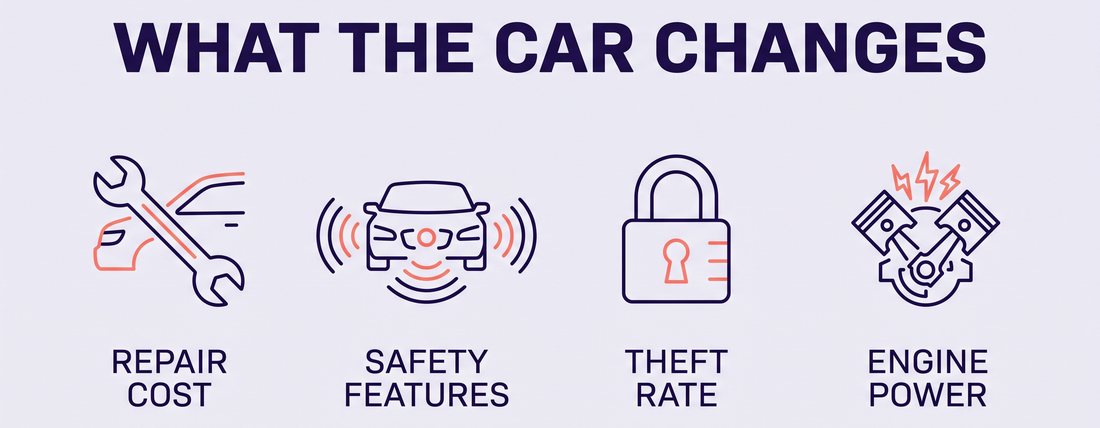
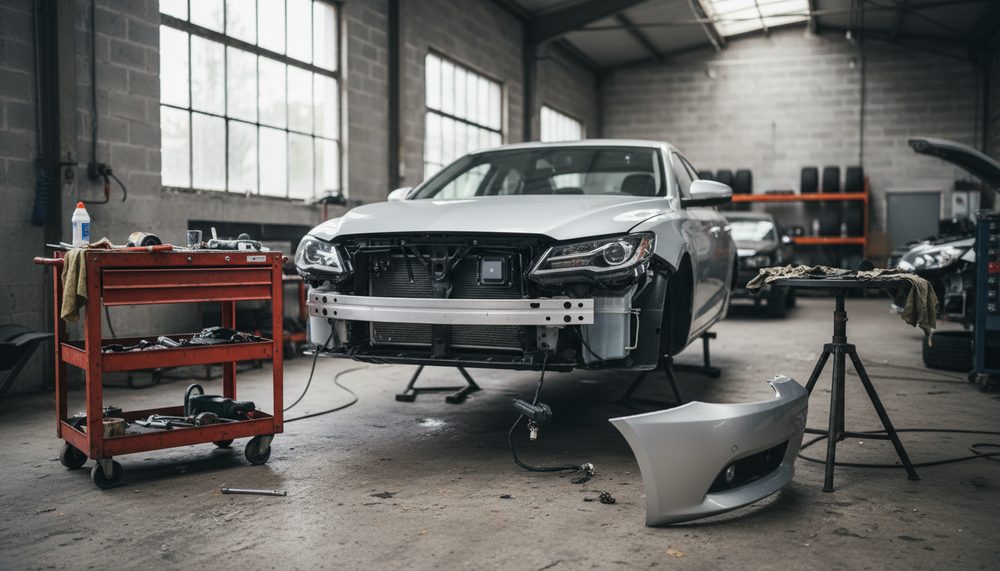
Two cars can cost the same to buy and very different amounts to repair. Parts availability, aluminium panels and recalibration after a bumper job all land in the price.
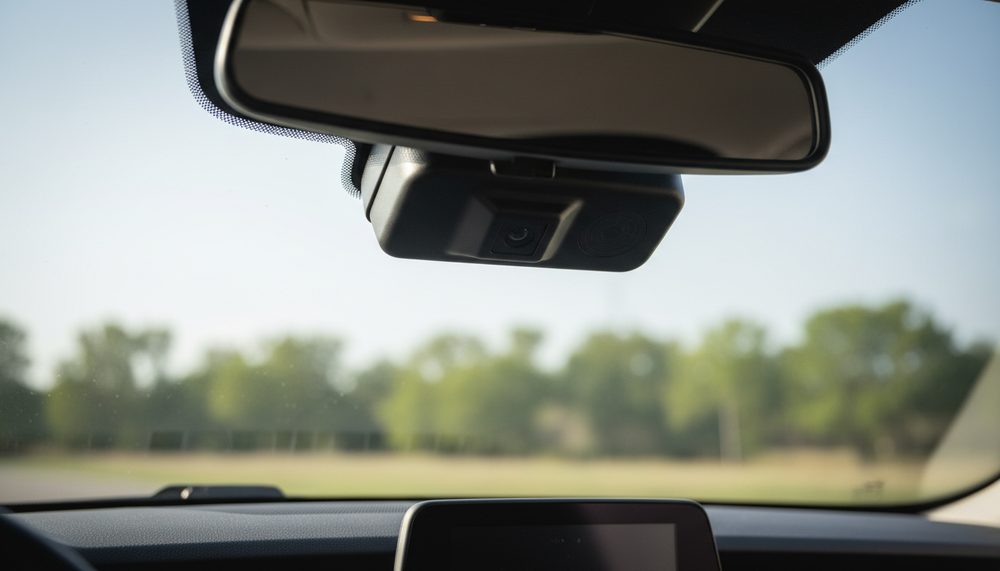
Automatic braking and lane keeping can help — and the same cameras make a windshield an expensive part. How much credit any of it earns varies by company: ask yours.

Theft and part-stripping histories are tracked by model, and a car that is popular with thieves near you is priced for it. Your model and your ZIP code decide this one together.
Averages can't quote you — your ZIP, record, vehicle, and mileage decide the real price, and every carrier weighs them differently. One short form and a licensed California agent pulls your actual rates from multiple companies.
Free, no obligation. Your information goes to one licensed agency — never to a lead marketplace that auctions your phone number.
Where your car is garaged is one of the things carriers price on, but it sits behind the three factors the state puts first, and every carrier draws its territory map differently. That is why we do not rank cities: the same driver can beat an “expensive” ZIP code at one company and lose at another. Comparing is what settles it.
Carriers price partly on where the car sleeps: accident frequency, theft rates, repair costs, and weather claims in your area all feed the formula. Two ZIP codes a few miles apart can rate very differently.
Rates typically fall through your 20s with each clean year, drop notably around 25, and bottom out through middle age. Senior drivers often see a modest rise — and a fresh comparison usually offsets it.
One short form, about two minutes. A licensed California agent runs your car and your record through multiple carriers and calls you with what each one actually returned. Free, no obligation, no payment details.
Get My Real Rate